
In part 1 of this post I told the story of how a boyhood trip to Disneyland sparked (ha!) a fascination with fireflies. I’d now like to turn to a different story that rekindled my love of these enchanting little bugs. Starting in the late 60’s, author and illustrator Eric Carle began publishing a series of delightful board books for young readers. His most famous work might be the 1969 story of “The Very Hungry Caterpillar” in which a tissue-paper collage caterpillar munches her way through the book by boring an ever larger hole through the illustration of food on each page, growing bigger and bigger before finally metamorphosing into a butterfly. Other board books followed and many entered our young family’s canon: “The Grouchy Ladybug,” “The Very Quiet Cricket,” “The Very Busy Spider,” “Brown Bear, Brown Bear, What Do You See?” and others.
The books all featured some kind of gimmick. The quiet cricket, for example, finally finds her voice on the last page and the reader is treated to a medley of chirps played by a sound-chip embedded in the book. (Interesting note: When Carle hit on the idea of a die-cut hungry-caterpillar chomp-trail through each page of his masterwork, the US publisher deemed it too expensive and so the book was actually produced in Japan.)
Of relevance to this essay, however, is Carle’s 1995 book, “The Very Lonely Firefly.” Born at sunset, a newly hatched, lonely firefly searches for companionship, mistaking various lights—a candle, lantern, flashlight, and animal eyes—for other fireflies. After trailing car headlights and fireworks, she finally comes upon a group of fireflies, finding belonging at the end of her journey. On that final page, the reader is delighted by actual little flashing lights from the assembled fireflies powered by a hidden battery.
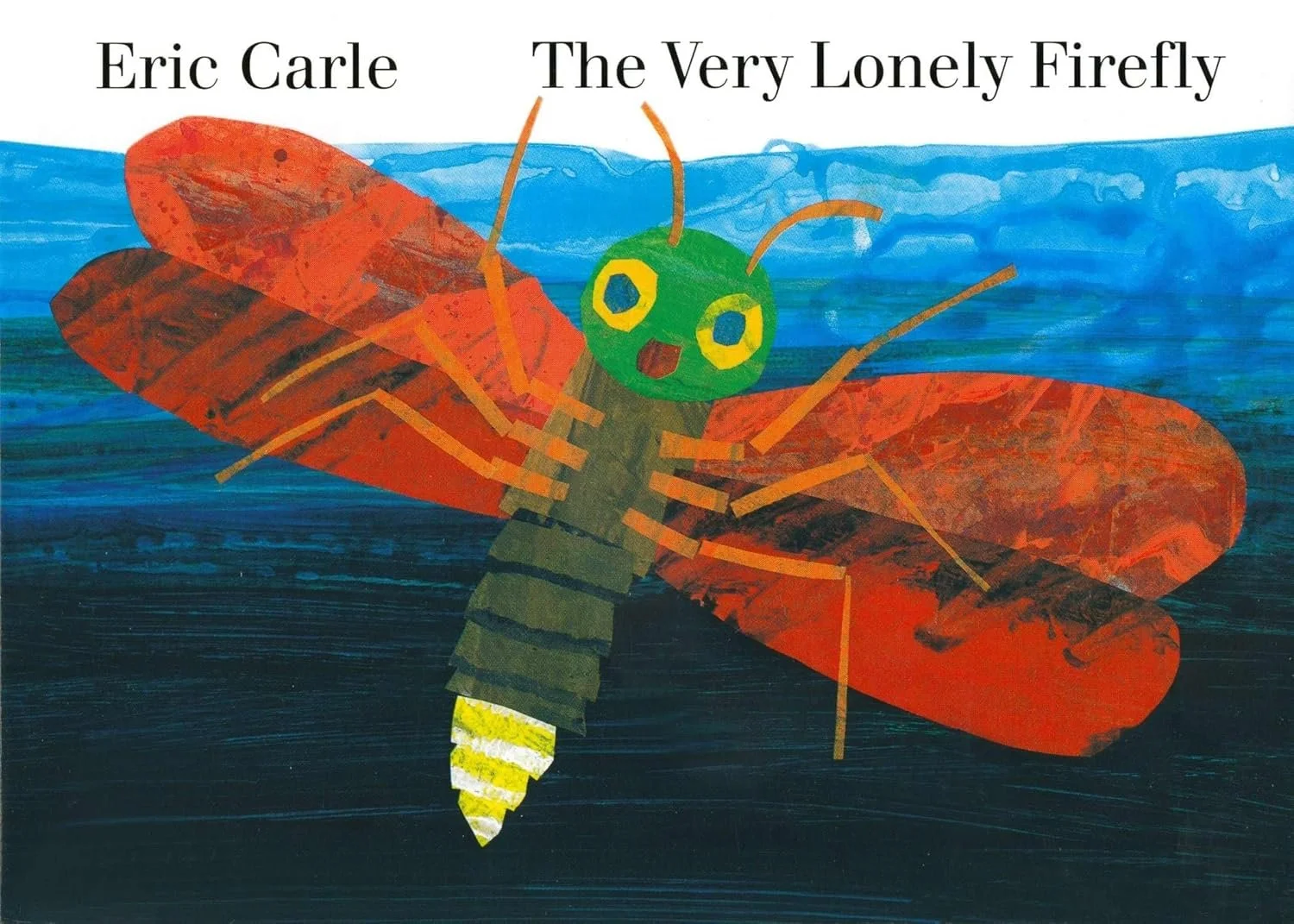
The saga of the lonely firefly entrances with its whimsical plot and trademark collage illustrations. And yet—even if it wasn’t Carle’s intention—the firefly’s plight also illustrates a sad truth: light pollution poses an existential threat to fireflies.
Like so many of nature’s ingenious evolutionary inventions, the glow emitted by fireflies originally developed as a defensive mechanism: the bodies of firefly larvae (who also glow) are suffused with lucibufagin, a terrible tasting steroid similar to the toxic compounds produced by some toads. (Hence the name for this class of molecules: Lucifer, Latin for light-bearer, + Bufo, the toad genus!). I have never seen, let alone tasted a firefly larva but I will take the scientists’ word for it!
Scientists believe bioluminescence in fireflies first evolved as a warning signal to predators advertising their execrable flavor. In addition to being clever, however, nature is also parsimonious and, soon enough, fireflies’ glow was coopted for mating and reproduction. What a lovely irony: the same animal that flashes to find a mate is also advertising “I taste terrible!”
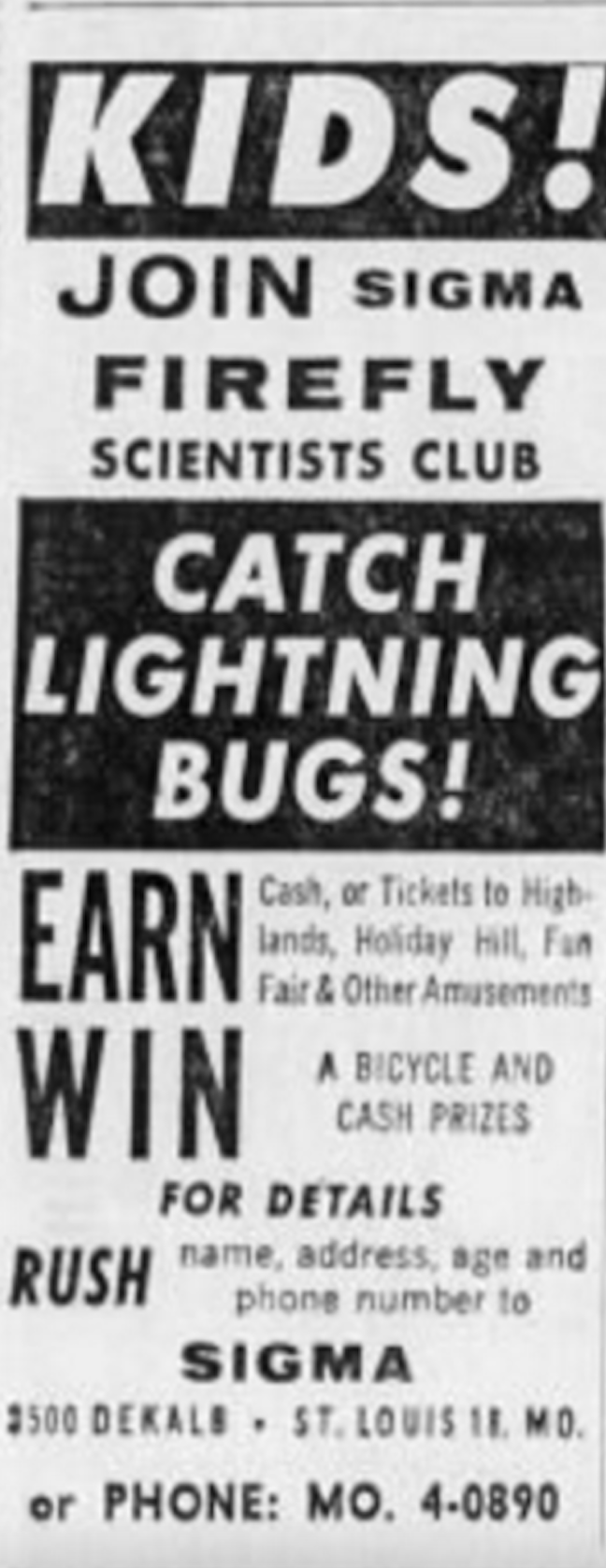
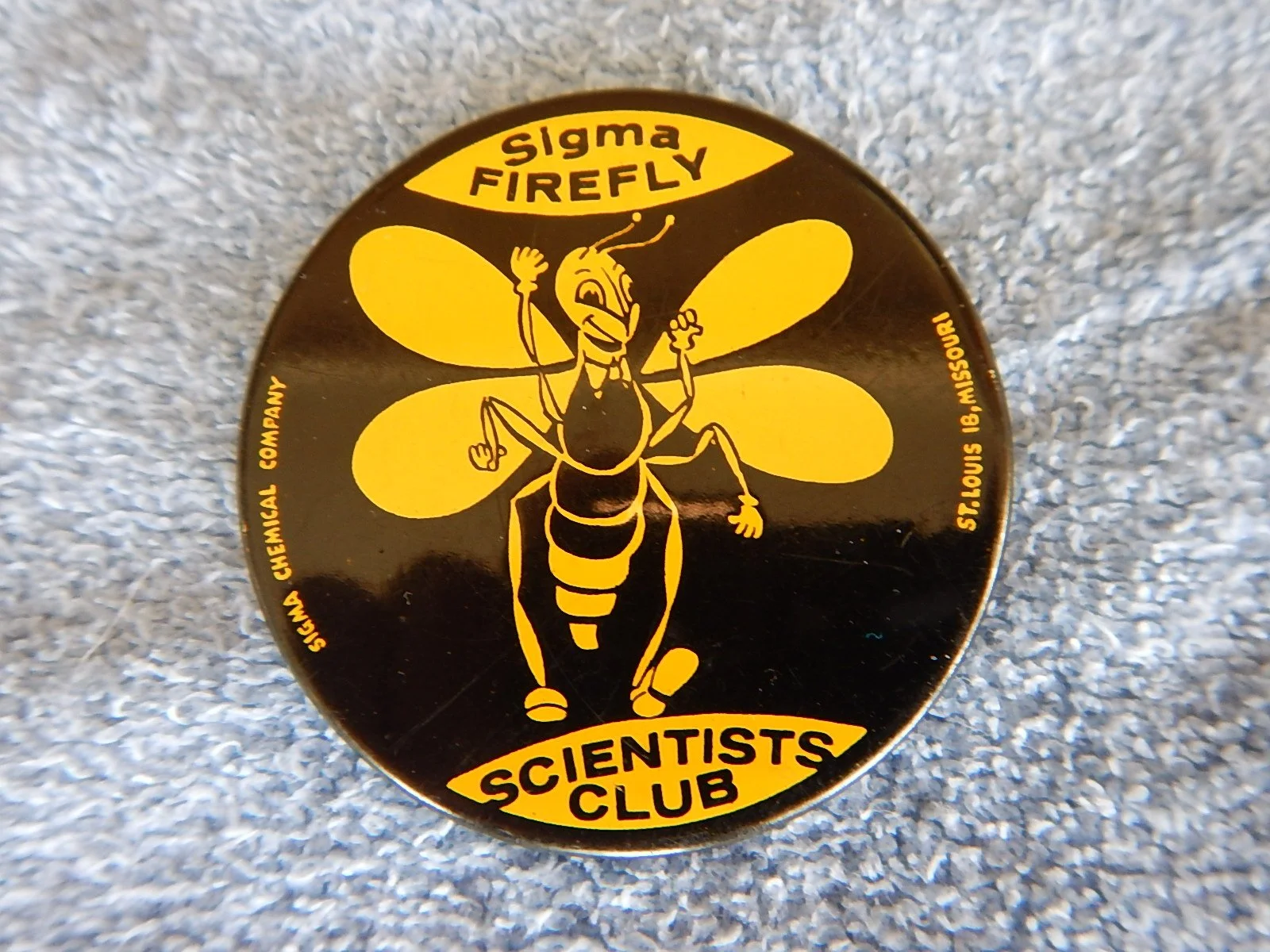
Alas, potential mates were not the only ones attracted to the glow of fireflies. From the 1960s through the mid-1990s, fireflies were harvested on a massive scale in order to extract the luciferin from their bodies. The Sigma Chemical Company of St. Louis created the “Sigma Firefly Scientists Club” and recruited thousands of children across 25 states with compelling ads in newspapers and comic books.
“Club” members received official pins and patches and Sigma-branded nets and were paid a penny per bug with a $20 bonus if you turned in more than 200,000. One enterprising woman—the Lightningbug Lady— created her own local “chapter” of 400 child collectors within a 45-mile radius. She shipped 35,000 fireflies to St. Louis every other day for 25 years and was able to put her own kids through college with the earnings! At its peak, Sigma harvested over 3-million Big Dippers per year with an estimated 100-million fireflies ground to powder over its 35-year run.
Why??
I’m glad you asked. The actual chemical reaction that powers fireflies’ glow relies on the chemical reaction between luciferin and its enzyme partner luciferase. The reaction—and hence the flash of light—only occur in the presence of ATP (adenosine triphosphate)—the energy carrying molecule found in all living cells. Thus, the luciferin-luciferase reaction provided the perfect biological flashlight: wherever scientists pointed it, the glow told them something was alive, active, or expressed. This proved invaluable for checking food for bacterial contamination, tracking gene expression, even for imaging inside living bodies. Fortunately, commercial-scale industrial synthesis of luciferin finally made wild harvesting unnecessary by the mid-1990s, ending both the scientific need for fireflies and one of the most unusual summer jobs for kids in the Midwest.
Let us return to the present. Fireflies, including my local species Photinus pyralis, commonly called Big Dippers, have complicated life cycles. At dusk males take to the air and fly in looping, J-shaped arcs, emitting a single roughly 0.3-second yellow-green flash every 5–7 seconds. Females perch low on grass or vegetation and watch. When a female spots a male of the right species with an attractive flash, she answers with her own brief flash about 1–2 seconds after his. The male homes in on her response, continuing the back-and-forth dialogue until he locates her and they mate—tail to tail, for several hours.
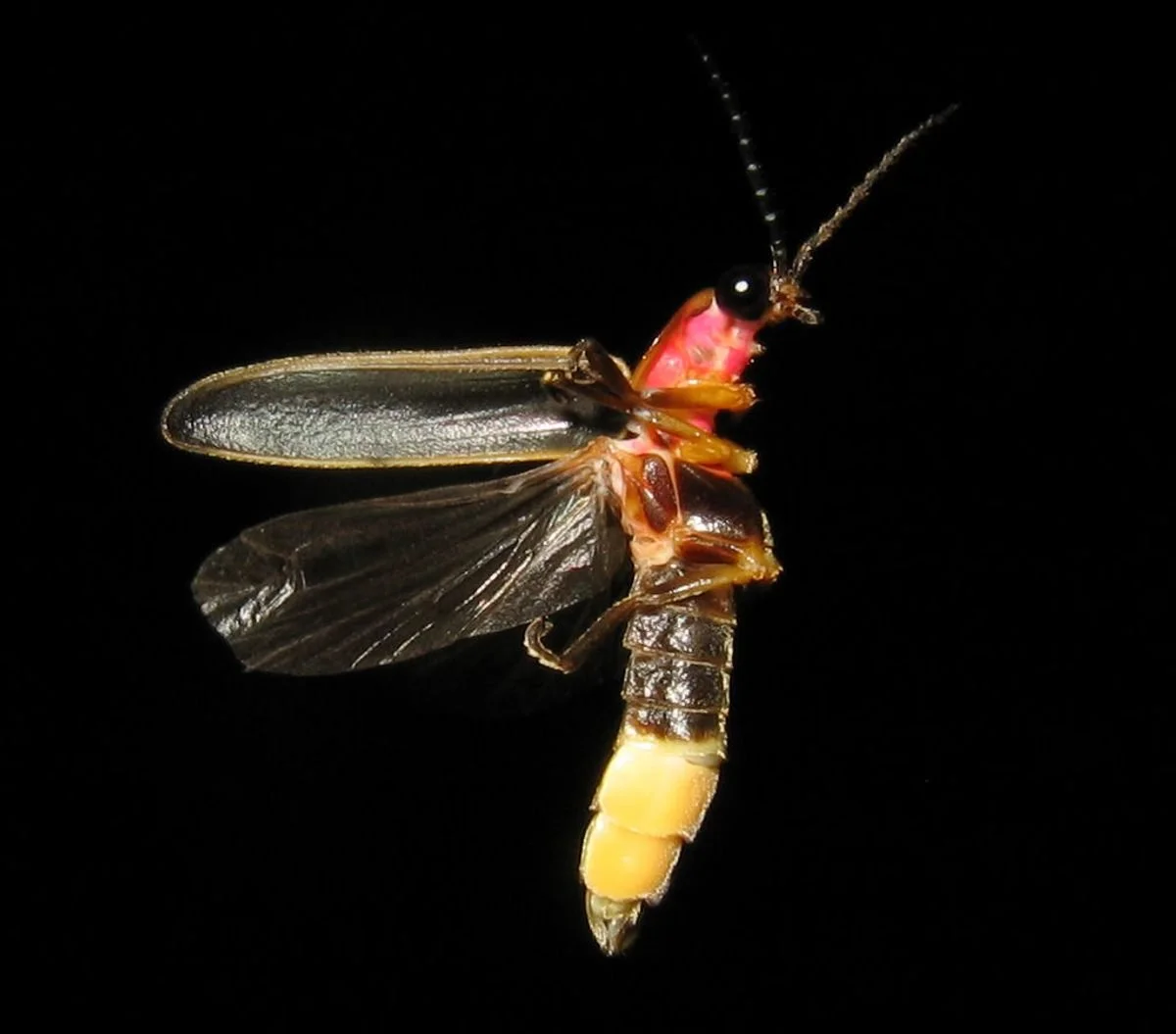
A solo firefly, showing off his valuable enzymes. TERRY PRIEST/CC BY-SA 2.0
Firefly mating isn’t just an exchange of genetic material. The male transfers a spermatophore—a “nuptial gift” packed with sperm, proteins, hormones, and crucially, lucibufagins (the bitter defensive steroids). Females are polyandrous, mating with multiple males on successive nights; the quality and size of the nuptial gift is a major factor in male selection, since those nutrients directly boost female egg production and survival. [I’m sure many astute readers have thoughts about the duration, promiscuousness, and size of nuptial gifts involved in firefly sex. Feel free to leave anonymous feedback to your own romantic partner in the comments below.]
After mating, the female lays roughly 500 eggs in damp soil or leaf litter. The eggs hatch in about 18–25 days, and the larvae spend 1–2 years underground, hunting snails and worms, before pupating for roughly 9–15 days in a small earthen chamber—then emerging as adults to repeat the cycle.
When we washed ashore in Norfolk 20 years ago, we discovered that late spring heralded many wonderful things, among them, dinners on our large porch with dancing fireflies speckling the night around us. From late May until well into July, an evening walk through the neighborhood transported me back to that first boyhood visit to Disneyland 40 years earlier: sultry southern evenings with people enjoying their front porches while Big Dippers popped in and out of existence like mysterious quantum particles. For several years in a row—without planning to—I found myself on a backpacking trip in the Appalachians on July 4th with a member of my family: one year with Rhiannon, one with Ginny, and one with Vienna. As good as any firework show, the celestial Big Dipper would be joined for a time by hundreds of horny Big Dippers doing their best to woo a mate. While Big Dippers are not a synchronous species who intentionally flash in lockstep, so many would flash at any given time that human pareidolia drew patterns in the sky like a luminous dot-to-dot puzzle.
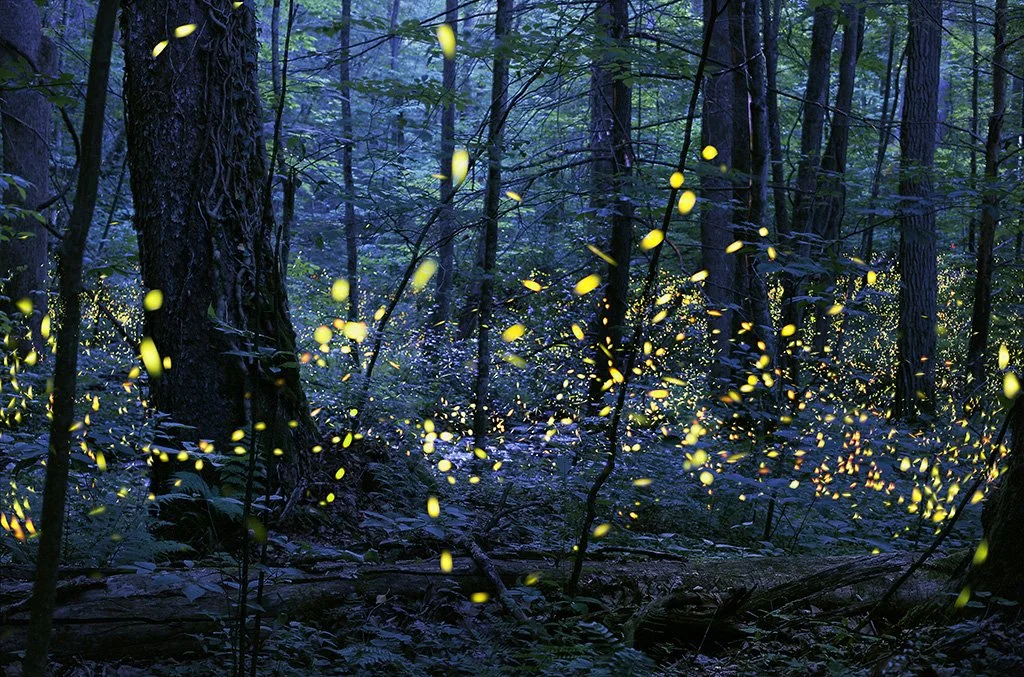
Imperceptibly at first—in the mountains and in our neighborhood—our firefly shows grew more and more subdued. This past summer, we did not see a single firefly buzzing around our porch or flitting through the neighborhood, not one. Photinus pyralis had disappeared.
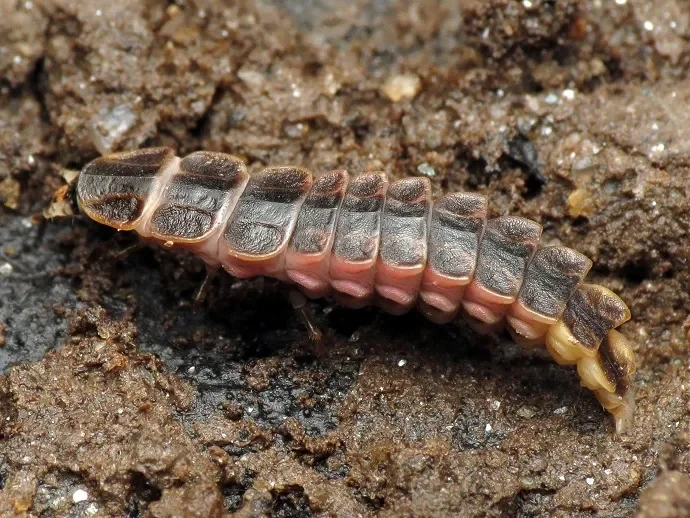
Xerces Society website, photo by Katja Schulz, Flickr Creative Commons 2.0.
The culprits for the decline of fireflies comprise the same litany of usual suspects that most of us can probably recite by heart and have maybe even grown numb to: loss of habitat to development, agriculture, drainage of wetlands, and suburban lawns; commercial and private pesticide use; climate instability… And for fireflies, of course, light pollution. (Mr. Carle was perhaps ahead of his time identifying that challenge.) Rather than promulgating yet another depressing, scolding, futile-feeling warning about human-made calamity, the good news is that there are meaningful actions that individuals can take to address all of the threats above, for your local fireflies and for many other creatures besides.
As I alluded to in part 1, leaving your fallen leaves be is one of the most obvious steps you can take. Firefly larvae and all manner of grubs and worms and other protoplasmic bits of protein spend a majority of their lives feeding in moist leaf litter. Robins and other birds, in turn, will spend early spring cheerfully flipping over leaves hunting for said grubs and worms (although they learn quickly not to try the lucibufagin-laden fireflies). The activities of all of the above help turn the leaves into mulch that suppresses weeds and compost that enriches the soil for the trees and plants you do want to grow. And learning to love your leaves also keeps them from being entombed in plastic in your local landfill.
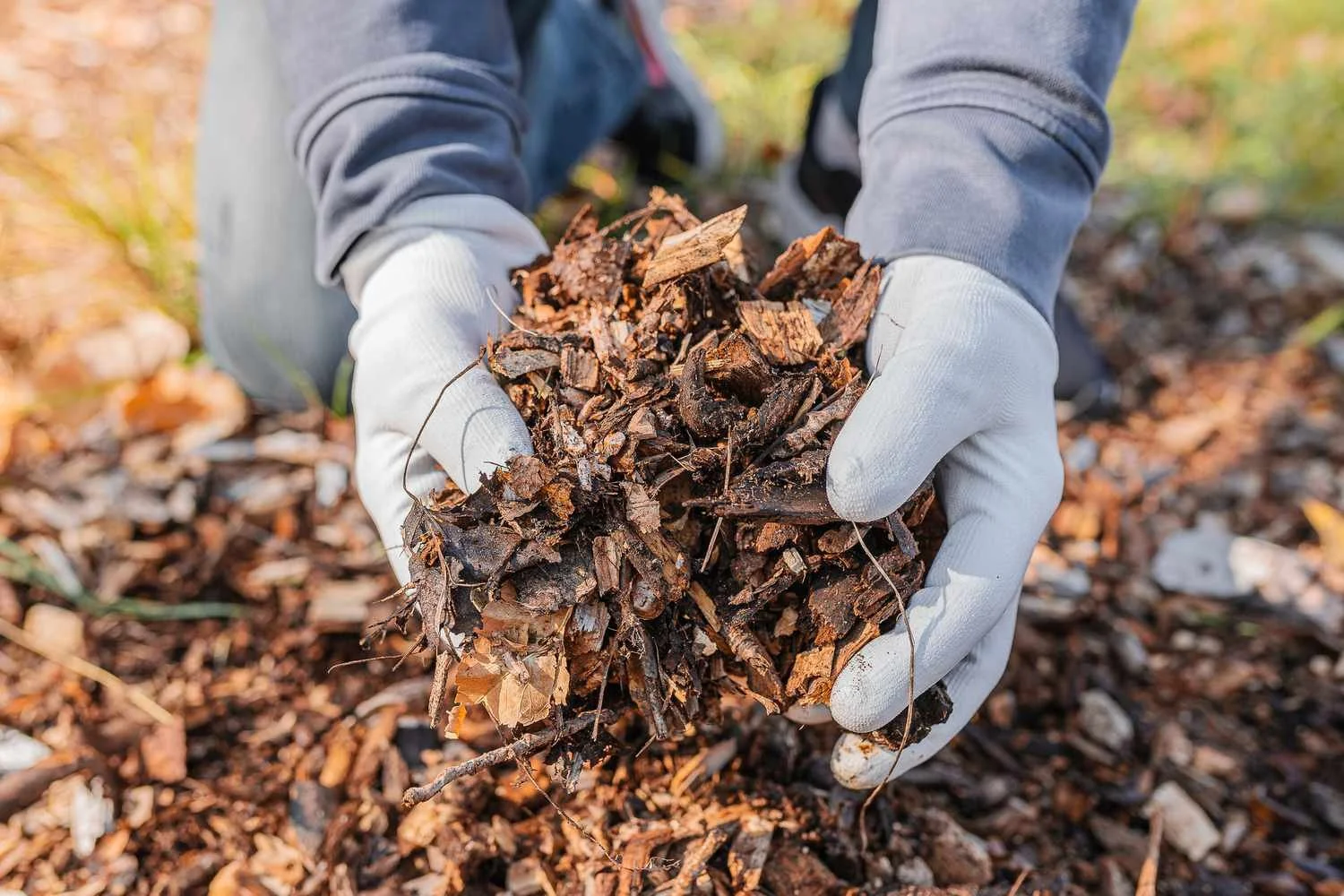
By retaining moisture in and near the ground, leaf litter also combats the most harmful effect of climate change when it comes to fireflies, namely, dry soil. Because firefly larvae hunt other species that human gardeners consider pests, you can reduce (and ideally eliminate) your own pesticide use. If you can’t quite reimagine fallen leaves in your yard as attractive given their beneficial qualities, you might consider raking them out of any paths where you walk into planting beds and leaving them lie. Fairly quickly, they break down into a mulch as effective and neutral looking as beauty bark.
For mature fireflies, healthy ground cover also provides the necessary perches for female fireflies to signal their whereabouts to their flying paramours. But in order for the flying males to home in on a prospective date, they must be able to see them. If you’ve ever been fortunate enough to enjoy a firefly show, you will probably have noticed that it starts early in the evening, 20 to 45 minutes after sunset. The Grand Finale usually peaks about 90 minutes after sunset although if there is no moon, the air is still, and temperatures warm, the show might last longer.
Outdoor lighting is useful for many reasons including security and safety. And I find gentle uplighting under a tree exquisitely beautiful. However, in this day and age of smart light bulbs and switches and dimmers, consider having Alexa turn the outdoor lights on an hour or two after sunset, well before most of us lock up and head for bed, but late enough for your local fireflies to have done their thing and turned in themselves… And who knows, maybe a lonely firefly will find companionship in the night near your home and leave you just a little more lighthearted yourself.