
It’s another guest post! This one comes courtesy of Rhiannon, the other Harvey daughter. She gets up to amazing things of her own: check out her website, Substack, and Instagram for tales of maritime adventure, fun marine biology/ocean facts, and her journey as a debut author seeking representation. This post is reposted from her website, and based on two papers she wrote while studying at the Duke University Marine Lab in the summer of 2017. All photos are by her, too. Thanks, Rhiannon!
Sea turtles are “charismatic marine megafauna.” Translation: they’re big, cute, and people care about them. Despite this, all seven extant species are on the IUCN Red List, meaning they require help and protection to avoid extinction. Sea turtles face countless human-made perils during their long lives: they can be snagged on fishhooks, tangled in nets and garbage, or hit by boats, to name a few. Lots of money goes into turtle conservation programs like rehabilitation centers and hatcheries. While these ventures certainly produce a lot of Instagram-worthy pictures, it’s important to consider how much they benefit wild sea turtle populations. If we want to help our aquatic friends, we have to make sure we’re acting in the turtles’ best interests, not our own.
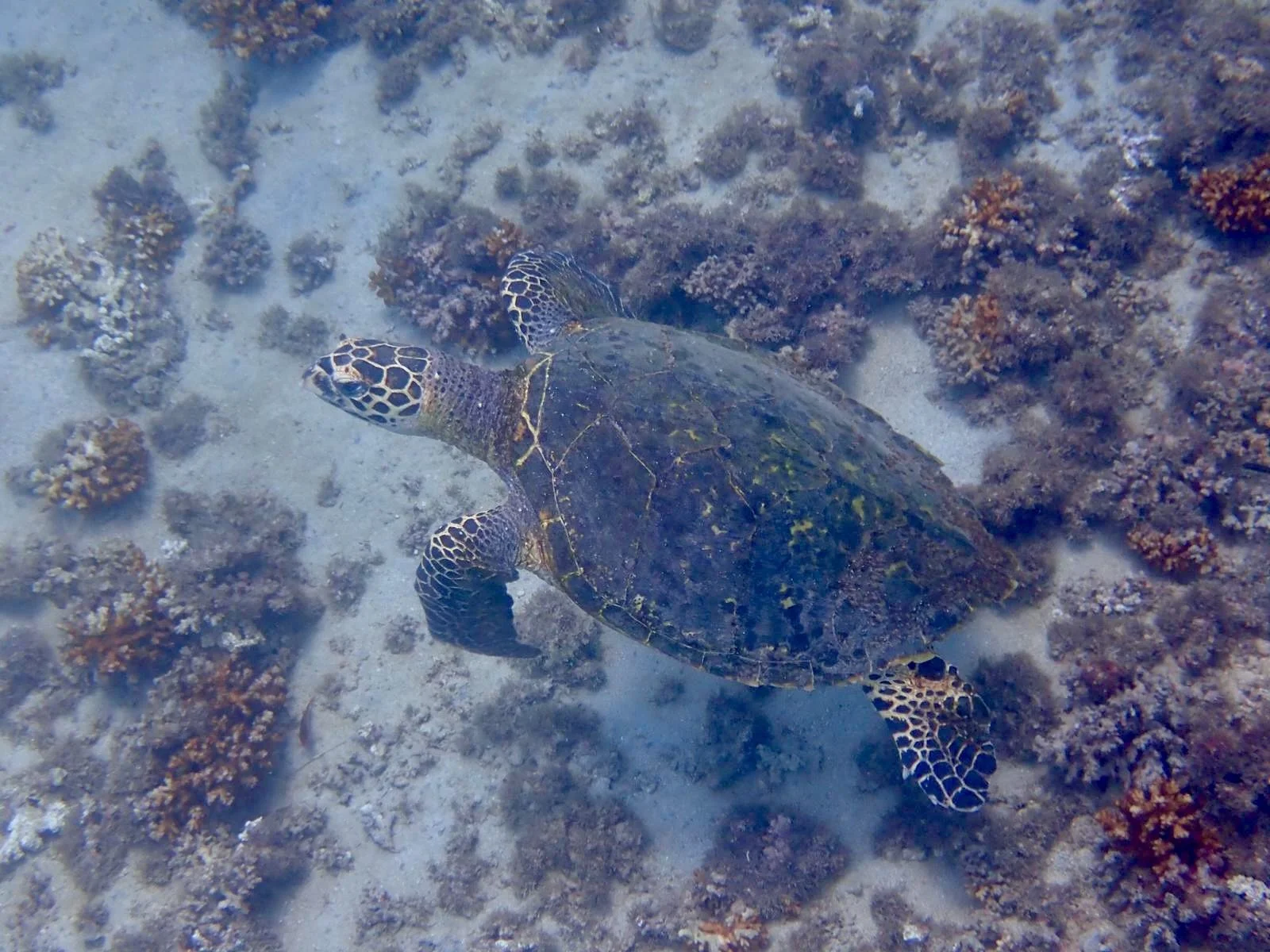
In a provocative article published in Environmental Ethics in 1985, the late professor Dr. Robert W. Loftin discussed whether or not it is ethically right to rehabilitate wild animals. “Those who undertake the medical treatment of wild animals are well-intentioned, motivated by an understandable sympathy for their fellow creatures,” he writes. “I respect this, and these endeavors do have a certain value, but…the value is quite limited, and, for the most part, not what people think it is.” He contends that treating individual animals is “a one-shot, short-term action,” and unless it can be confirmed that the individual in question has rejoined the breeding population, the effort expended on its behalf is futile. He emphasizes that, ultimately, people who care about conservation are on the same side, but that the energy rehabilitators expend should be directed elsewhere. “The best approach,” he says, “is to try to channel this genuine concern for the impact of man on the natural world in more productive directions which will result in more good in the long term.”
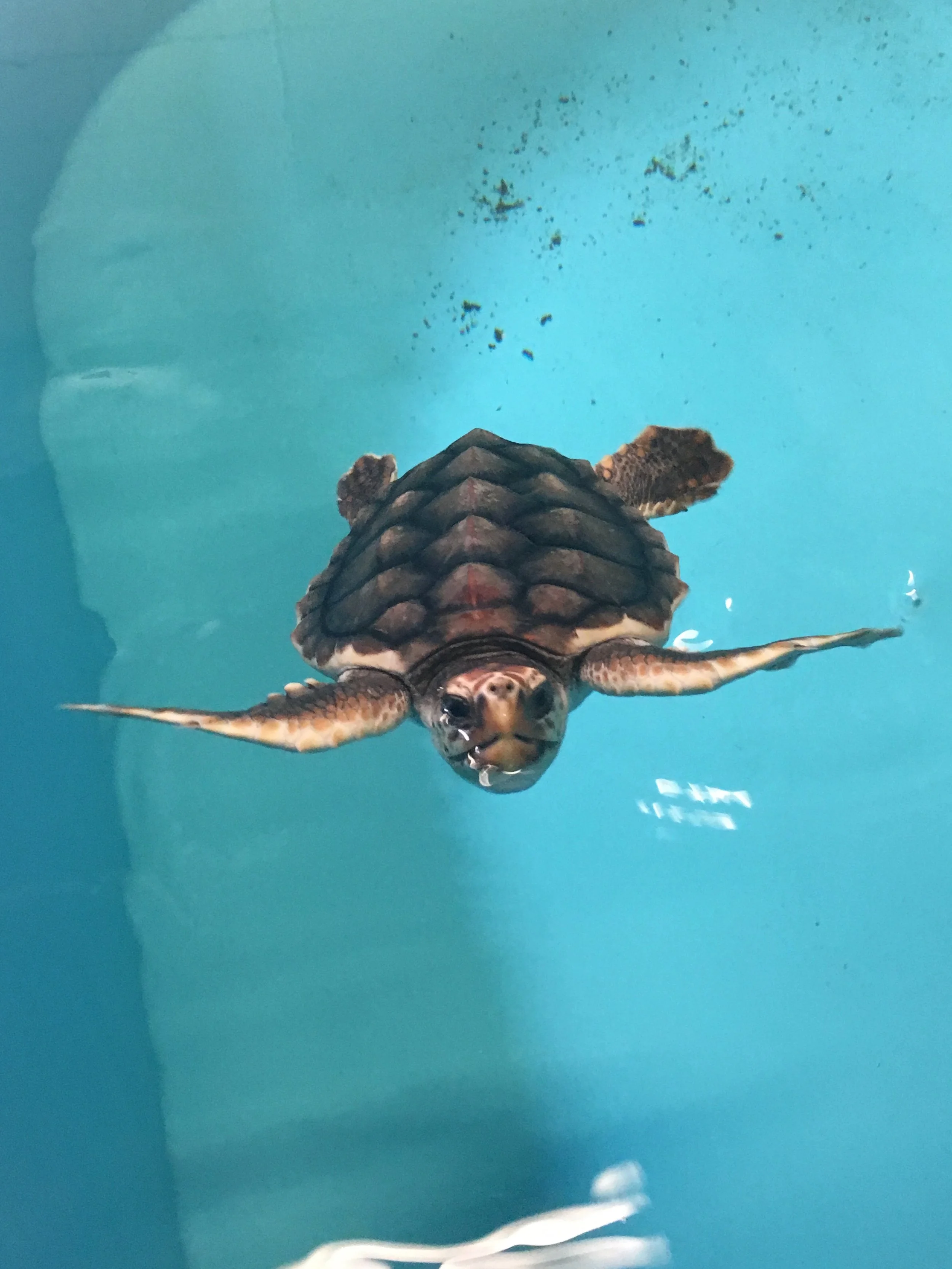
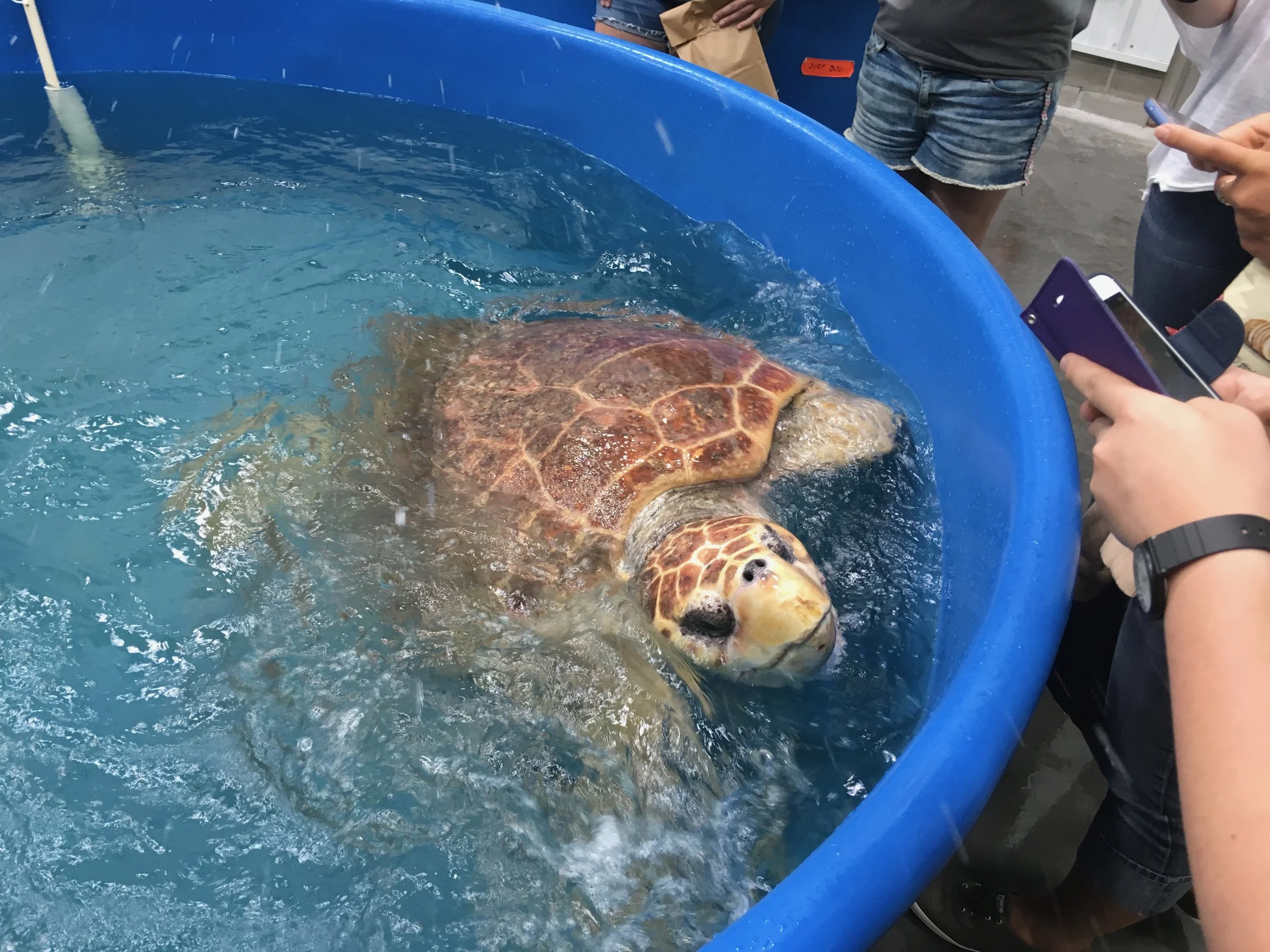
Out of 1,700 sick or injured sea turtles admitted to rehabilitation centers in Florida over 18 years, fewer than a third were released back into the wild. (Baker 2015) Most of the rest died while in captivity, usually during the first few weeks. Individual turtles can be difficult to monitor in the wild, given their solitary nature, vast migrations, and the complexity in designing tracking devices that don’t alter or hinder behavior. As such, it’s unclear how many rehabilitated turtles manage to rejoin the breeding population. Another factor to weigh is animal stress while in captivity. Loftin (1985) writes: “It is possible…to hold that for wild animals the right to liberty is more fundamental than the right to life, and that therefore animal hospitals violate the right to liberty by confining animals in order to treat them.” Turtles are stoic animals, and it’s difficult to tell if they are stressed or in pain. Though federal and state regulations dictate appropriate tank size and depth, lighting, food, and other factors to provide turtles with an environment that is as stress-free as possible, no tank could ever replace the ocean.
This isn’t to say that sea turtle rehabilitation is a zero-sum endeavor. Rehab centers give scientists a window into wild sea turtle populations, provide valuable opportunities for research, and—perhaps most importantly—educate and engage the public on sea turtle conservation. Sometimes, a turtle survives rehab but still can’t be released due to lasting impairments. In this case, the turtle is often given a home at an aquarium or other establishment where it can play a lasting role in public outreach. Though rehabilitation centers might not significantly benefit sea turtles at the population level, getting people interested at the individual level can be a stepping stone to the “big picture” of broader protection and conservation.
Another popular institution of supposed sea turtle conservation is the hatchery. Practices and regulations differ around the world, and the effect on turtles can be positive or negative, accordingly. Some operations guard nesting beaches or relocate eggs that would otherwise be destroyed. Some keep hatchlings in tanks to display them to tourists, which can weaken the hatchlings and lower their chances of survival. (Tisdell and Wilson 2005) The holding tanks are often small and overcrowded, creating stress and aggression between the turtles. If you’re in a turtle-y area and want to visit a hatchery, do your research to make sure it’s run by a reputable organization focused on conservation, not profit.
Some hatcheries invite public participation in nest guarding and/or relocation. Again, this is a time to make sure you’re acting in a turtle-friendly way. In a 2006 paper, Dr. Nicholas Mrosovsky expressed frustration with volunteers who wished to help relocate turtle nests but didn’t understand the processes at work: “So powerful is the feeling of doing a good conservation deed when saving a nest from being washed over, that it is sometimes difficult to restrain enthusiastic volunteers from doing this too readily.” Dr. David Pike rebutted in 2008, saying that public participation in sea turtle conservation is vital to education: “Seeing conservation in action, with immediate short-term benefits, should not be understated.”
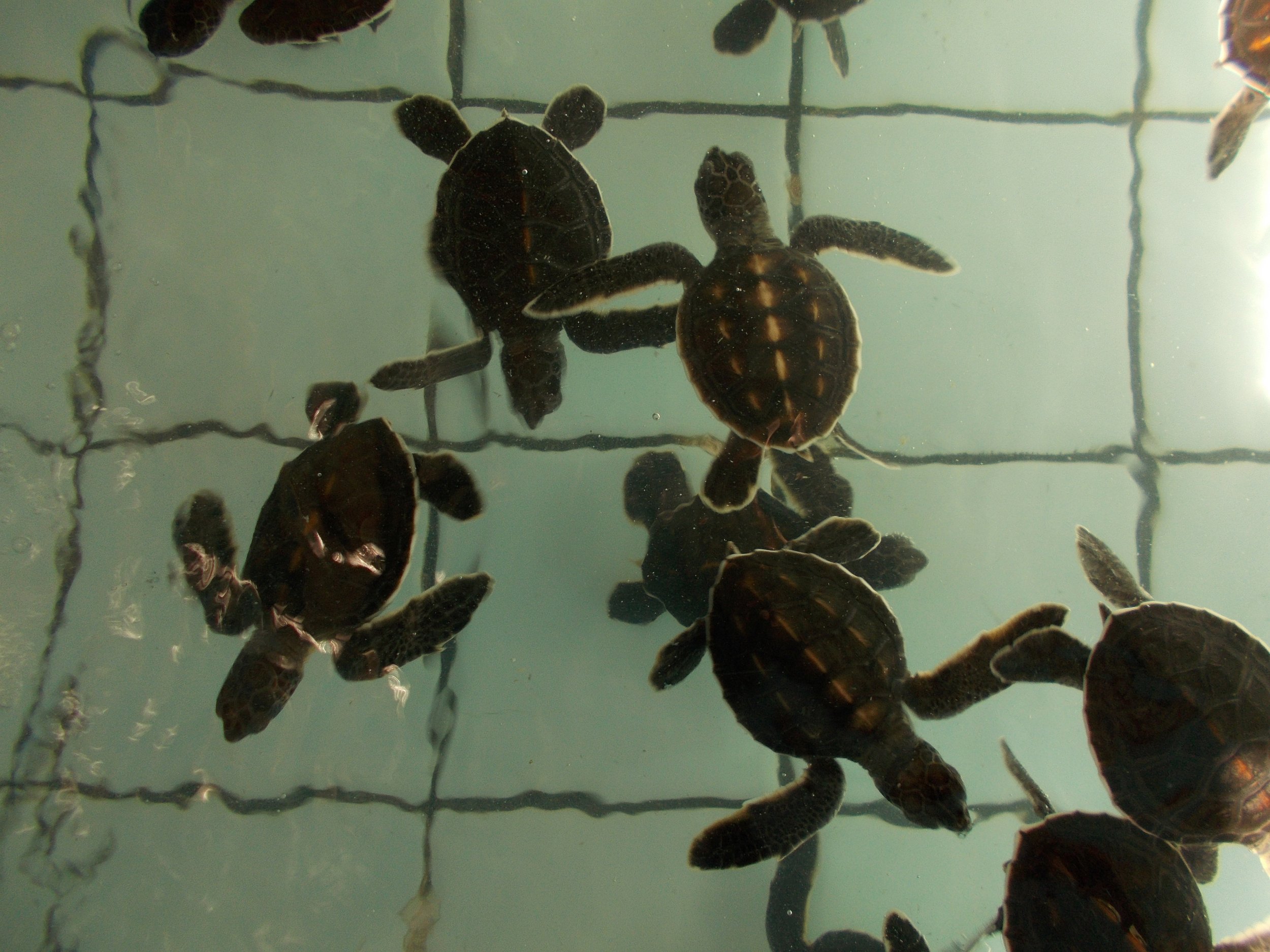
Most people would want to help a baby sea turtle and feel that they’ve done a good deed. However, high hatchling mortality is part of the sea turtle reproductive strategy. Females lay hundreds of eggs each season and provide no parental care beyond digging a nest. (WWF 2025) According to the Florida Fish and Wildlife Conservation Commission, only one out of every 1,000 hatchlings will make it to adulthood. Therefore, turtles in later life stages have a much higher value to future reproduction. Similarly to rehabilitation centers, hatcheries can be catalysts for public education and engagement; however, the energy and resources dedicated to them shouldn’t come at the expense of other methods of conservation.
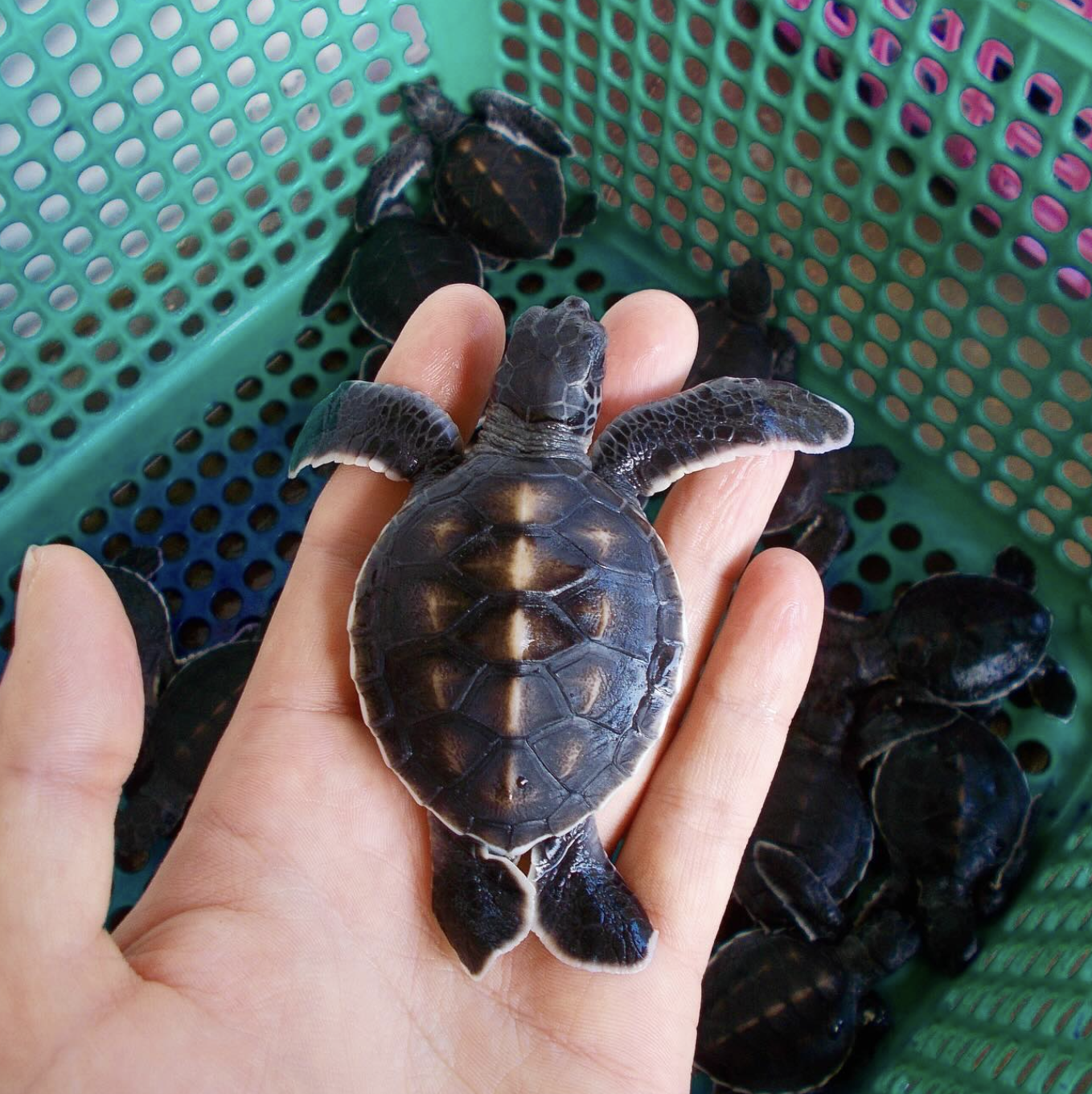
These examples highlight the paradox of sea turtle conservation: people generally want to help, but their time, money, and emotional investment are often directed toward the most visible and “feel-good” avenues (e.g., rehabilitation and hatcheries) instead of other, more effective interventions. Remember that video of a sea turtle with a plastic straw jammed into its nostril that caused a backlash against plastic straws across the US? While plastic straws can certainly be detrimental to sea turtles and the marine environment at large, they’re just one offender in a literal ocean of plastic. If we want to save the turtles, banning straws won’t cut it—what about the plastic bags that leatherbacks mistakenly eat, thinking they’re jellyfish? What about the discarded fishing lines and nets that entangle turtles and cost them limbs as their circulation is cut off? Protecting turtles means large-scale societal changes that can be difficult for individuals, politicians, and corporations to swallow. However, there have already been success stories. In the 1970s, NOAA determined commercial fishing operations to be a major source of sea turtle mortality. Over the next decade, the TED (turtle exclusion device) was engineered, implemented, and mandated. Modern TEDs are 97% effective in reducing turtle bycatch and are now required on all shrimp trawling nets.
So, where does all this leave us in terms of sea turtle conservation? While enterprises like rehabilitation centers and hatcheries might have only small effects on sea turtles at the population level, they offer other benefits, including opportunities for scientific research and public outreach. However, any responsible conservation operation should take care to highlight its realistic scope and drawbacks. Having concerned citizens who want to help marine creatures is a good thing, but we must try to channel this concern effectively. Urging your senator to support safe fishing practices, cutting down on single-use plastics, or cleaning your local beach might not be as fun as holding a hatchling in your hand, but the turtles will thank you for it.
Want more? Check out this list from NOAA about actions you can take to help save sea turtles.
Works Cited
Baker, Linda, et al. “Sea turtle rehabilitation success increases with body size and differs among species.” Wildlife Rehabilitation Bulletin, vol. 34, no. 1, 1 Nov. 2015, pp. 26–35, https://doi.org/10.53607/wrb.v34.92.
“History of Turtle Excluder Devices.” NOAA, 25 Mar. 2025, www.fisheries.noaa.gov/southeast/bycatch/history-turtle-excluder-devices.
“How Long Do Sea Turtles Live? And Other Sea Turtles Facts | WWF.” World Wildlife Fund, 2025, www.worldwildlife.org/stories/how-long-do-sea-turtles-live-and-other-sea-turtle-facts.
Loftin, Robert W. “The medical treatment of wild animals.” Environmental Ethics, vol. 7, no. 3, 1985, pp. 231–239, https://doi.org/10.5840/enviroethics19857339.
Mrosovsky, N. “Distorting gene pools by conservation: Assessing the case of doomed Turtle Eggs.” Environmental Management, vol. 38, no. 4, 13 July 2006, pp. 523–531, https://doi.org/10.1007/s00267-005-0348-2.
Pike, David A. “The benefits of nest relocation extend far beyond recruitment: A rejoinder to mrosovsky.” Environmental Management, vol. 41, no. 4, 18 July 2007, pp. 461–464, https://doi.org/10.1007/s00267-006-0434-0.
“Sea Turtle FAQ.” Florida Fish And Wildlife Conservation Commission, myfwc.com/research/wildlife/sea-turtles/florida/faq/. Accessed 22 Apr. 2025.
Tisdell, Clem, and Clevo Wilson. “Do open-cycle hatcheries relying on tourism conserve sea turtles? Sri Lankan developments and economic–ecological considerations.” Environmental Management, vol. 35, no. 4, Apr. 2005, pp. 441–452, https://doi.org/10.1007/s00267-004-0049-2.

The lovely author herself! Photo by Amasa Andes